
Garner (919) 661-4150


Garner (919) 661-4150
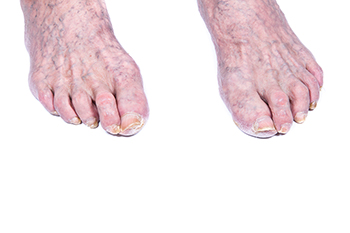
As people age, their feet undergo several natural changes that can affect both their function and appearance. The skin on your feet tends to become thinner and loses its elasticity, making it more susceptible to dryness and cracks. The fat pads that cushion the bottoms of your feet may diminish, leading to increased sensitivity and discomfort when walking or standing. Additionally, your toenails often grow more slowly, often becoming thicker and more brittle over time. Joint mobility might decrease, causing stiffness and reduced flexibility. Circulation to the lower extremities can also decline, contributing to slower healing of cuts or blisters. Foot conditions that may develop with age include osteoarthritis and gout. These changes are a normal part of aging, and maintaining proper foot care, such as regular moisturizing, wearing supportive footwear, and staying active can help ease some of these effects. If you are elderly or are caring for an older person, it is suggested that you include a podiatrist on your healthcare team who can perform routine foot examinations.
Proper foot care is something many older adults forget to consider. If you have any concerns about your feet and ankles, contact Chukwuma Ukata, DPM from Advanced Carolina Foot and Ankle Center. Our doctor can provide the care you need to keep you pain-free and on your feet.
The Elderly and Their Feet
As we age we start to notice many changes in our body, but the elder population may not notice them right away. Medical conditions may prevent the elderly to take notice of their foot health right away. Poor vision is a lead contributor to not taking action for the elderly.
Common Conditions
Susceptible Infections
Diabetes and poor circulation can cause general loss of sensitivity over the years, turning a simple cut into a serious issue.
If you have any questions please feel free to contact our office located in Garner, NC . We offer the newest diagnostic and treatment technologies for all your foot and ankle needs.
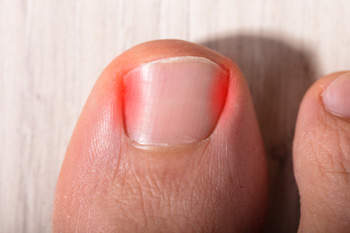 Ingrown toenails occur when the edge of a toenail grows into the surrounding skin, causing pain, swelling, and sometimes infection. They often result from improper nail trimming, wearing tight footwear, or injury to the toe. Genetic predisposition and certain activities that put pressure on the toes, such as running or ballet, can also contribute to this condition. People with curved or thick nails are more susceptible to ingrown toenails. Symptoms include redness, tenderness, and sometimes pus if an infection develops. If left untreated, the pain can intensify, making walking difficult. To find relief for an ingrown toenail, soak the foot in warm water to reduce swelling, and gently lift the nail away from the skin using a cotton ball or dental floss. Prevent ingrown toenails by trimming nails straight across, wearing properly fitting shoes, and avoiding trauma to the toes. If you have a persistent or severe ingrown toenail, it is suggested that you schedule an appointment with a podiatrist for professional treatment and guidance.
Ingrown toenails can become painful if they are not treated properly. For more information about ingrown toenails, contact Chukwuma Ukata, DPM of Advanced Carolina Foot and Ankle Center. Our doctor can provide the care you need to keep you pain-free and on your feet.
Ingrown Toenails
Ingrown toenails occur when a toenail grows sideways into the bed of the nail, causing pain, swelling, and possibly infection.
Causes
Prevention
Because ingrown toenails are not something found outside of shoe-wearing cultures, going barefoot as often as possible will decrease the likeliness of developing ingrown toenails. Wearing proper fitting shoes and using proper cutting techniques will also help decrease your risk of developing ingrown toenails.
Treatment
Ingrown toenails are a very treatable foot condition. In minor cases, soaking the affected area in salt or antibacterial soaps will not only help with the ingrown nail itself, but also help prevent any infections from occurring. In more severe cases, surgery is an option. In either case, speaking to your podiatrist about this condition will help you get a better understanding of specific treatment options that are right for you.
If you have any questions please feel free to contact our office located in Garner, NC . We offer the newest diagnostic and treatment technologies for all your foot and ankle needs.

Have your child's feet been examined lately? Healthy feet are happy feet. If your child is complaining of foot pain, it may be a sign of underlying problems.

Foot pain can affect various areas of the foot, each indicating different underlying causes and requiring specific treatment approaches. Pain in the heel, for example, may signal conditions like plantar fasciitis, Achilles tendonitis, or heel spurs, often treated with rest, stretching exercises, or orthotic inserts. Pain in the arch of the foot may result from conditions such as flat feet, plantar fasciitis, or overuse injuries, requiring supportive footwear, arch supports, or custom orthotics for relief. Pain in the ball of the foot could be due to metatarsalgia, Morton's neuroma, or sesamoiditis, necessitating cushioned insoles, proper footwear, or corticosteroid injections. Furthermore, pain in the toes may indicate issues like bunions, hammertoes, or ingrown toenails, often managed with padding, splinting, or surgical intervention. By pinpointing the location of foot pain and understanding its potential causes, a podiatrist can offer appropriate treatment methods to alleviate discomfort and promote foot health. If you have foot pain or discomfort, it is suggested that you make an appointment with a podiatrist for an accurate diagnosis and the appropriate treatment solutions.
Foot Pain
Foot pain can be extremely painful and debilitating. If you have a foot pain, consult with Chukwuma Ukata, DPM from Advanced Carolina Foot and Ankle Center. Our doctor will assess your condition and provide you with quality foot and ankle treatment.
Causes
Foot pain is a very broad condition that could be caused by one or more ailments. The most common include:
Diagnosis
To figure out the cause of foot pain, podiatrists utilize several different methods. This can range from simple visual inspections and sensation tests to X-rays and MRI scans. Prior medical history, family medical history, and any recent physical traumatic events will all be taken into consideration for a proper diagnosis.
Treatment
Treatment depends upon the cause of the foot pain. Whether it is resting, staying off the foot, or having surgery; podiatrists have a number of treatment options available for foot pain.
If you have any questions, please feel free to contact our office located in Garner, NC . We offer the newest diagnostic and treatment technologies for all your foot care needs.

Ensuring the health of your feet is paramount for overall well-being, yet it is a facet of the body that is often disregarded until discomfort arises. With the intricate structure of 28 bones, more than 30 joints, numerous ligaments, tendons and muscles, your feet demand regular maintenance. Starting out the day with gentle calf stretches has been pivotal in alleviating strain, and is especially beneficial for individuals susceptible to overuse conditions like plantar fasciitis. Incorporating simple foot massages with a roller or water bottle aids in releasing tension and fosters relaxation. This simple exercise also offers respite after enduring hours of standing or activity. Foot exercises concentrating on the arch area serve to fortify foot muscles, thereby enhancing stability and bolstering support. By integrating these exercises into your daily routine, you can help to ward off foot pain and fatigue, enabling you to remain on your feet for extended periods of time with reduced strain. If you are experiencing persistent foot pain or discomfort, it is suggested that you schedule an appointment with a podiatrist for a diagnosis and treatment.
Exercising your feet regularly with the proper foot wear is a great way to prevent injuries and build strength. If you have any concerns about your feet, contact Chukwuma Ukata, DPM from Advanced Carolina Foot and Ankle Center. Our doctor can provide the care you need to keep you pain-free and on your feet.
Exercise for Your Feet
Exercise for your feet can help you gain strength, mobility and flexibility in your feet. They say that strengthening your feet can be just as rewarding as strengthening another part of the body. Your feet are very important, and we often forget about them in our daily tasks. But it is because of our feet that are we able to get going and do what we need to. For those of us fortunate enough to not have any foot problems, it is an important gesture to take care of them to ensure good health in the long run.
Some foot health exercises can include ankle pumps, tip-toeing, toe rises, lifting off the floor doing reps and sets, and flexing the toes. It is best to speak with Our doctor to determine an appropriate regimen for your needs. Everyone’s needs and bodies are different, and the activities required to maintain strength in the feet vary from individual to individual.
Once you get into a routine of doing regular exercise, you may notice a difference in your feet and how strong they may become.
If you have any questions please feel free to contact our office located in Garner, NC . We offer the newest diagnostic and treatment technologies for all your foot and ankle needs.




 accessibility - Default