
Garner (919) 661-4150


Garner (919) 661-4150

Non-diabetic foot infections can occur due to cuts, puncture wounds, or fungal infections, leading to pain, swelling, and redness. These infections often cause throbbing or sharp pain, especially when pressure is applied to the affected area. A cut or puncture wound in the foot can allow bacteria to enter, while fungal infections, like athlete's foot, can lead to cracked skin and increased vulnerability to infection. The affected area may become warm to the touch, and you might notice discharge or pus if the infection worsens. If left untreated, the infection can spread, causing more severe pain and complications. A podiatrist can help by thoroughly cleaning the wound, draining any pus, and prescribing antibiotics if necessary. For fungal infections, they may recommend antifungal treatments to clear the infection. This type of doctor will also provide advice on proper foot care to prevent future infections. If you have this type of infection, it is suggested that you schedule an appointment with a podiatrist for appropriate treatment solutions.
Wound care is an important part in dealing with diabetes. If you have diabetes and a foot wound or would like more information about wound care for diabetics, consult with Chukwuma Ukata, DPM from Advanced Carolina Foot and Ankle Center. Our doctor will assess your condition and provide you with quality foot and ankle treatment.
What Is Wound Care?
Wound care is the practice of taking proper care of a wound. This can range from the smallest to the largest of wounds. While everyone can benefit from proper wound care, it is much more important for diabetics. Diabetics often suffer from poor blood circulation which causes wounds to heal much slower than they would in a non-diabetic.
What Is the Importance of Wound Care?
While it may not seem apparent with small ulcers on the foot, for diabetics, any size ulcer can become infected. Diabetics often also suffer from neuropathy, or nerve loss. This means they might not even feel when they have an ulcer on their foot. If the wound becomes severely infected, amputation may be necessary. Therefore, it is of the upmost importance to properly care for any and all foot wounds.
How to Care for Wounds
The best way to care for foot wounds is to prevent them. For diabetics, this means daily inspections of the feet for any signs of abnormalities or ulcers. It is also recommended to see a podiatrist several times a year for a foot inspection. If you do have an ulcer, run the wound under water to clear dirt from the wound; then apply antibiotic ointment to the wound and cover with a bandage. Bandages should be changed daily and keeping pressure off the wound is smart. It is advised to see a podiatrist, who can keep an eye on it.
If you have any questions, please feel free to contact our office located in Garner, NC . We offer the newest diagnostic and treatment technologies for all your foot care needs.
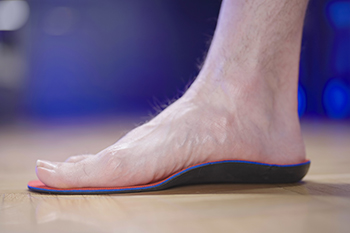
Think of foot orthotics as custom-built shock absorbers for your feet, designed to realign, cushion, and enhance every step. More than just insoles, they serve as personalized tools that adapt to the way you walk, helping to correct imbalances, reduce pain, and prevent long-term issues. Whether you are dealing with heel pain, arthritis, or just tired, achy feet, orthotics work behind the scenes to distribute pressure evenly, absorb impact, and improve posture. They can even help with knee, hip, and lower back pain by addressing misalignment at the foundation. Not all orthotics are created equal, and what works for one person might not work for another. It is suggested that you schedule an appointment with a podiatrist who can assess your needs and recommend the best option, ensuring the right fit for comfort, support, and long-term foot health.
If you are having discomfort in your feet and would like to try orthotics, contact Chukwuma Ukata, DPM from Advanced Carolina Foot and Ankle Center. Our doctor can provide the care you need to keep you pain-free and on your feet.
What Are Orthotics?
Orthotics are inserts you can place into your shoes to help with a variety of foot problems such as flat feet or foot pain. Orthotics provide relief and comfort for minor foot and heel pain but can’t correct serious biomechanical problems in your feet.
Over-the-Counter Inserts
Orthotics come in a wide variety of over-the-counter inserts that are used to treat foot pain, heel pain, and minor problems. For example, arch supports can be inserted into your shoes to help correct overarched or flat feet, while gel insoles are often used because they provide comfort and relief from foot and heel pain by alleviating pressure.
Prescription Orthotics
If over-the-counter inserts don’t work for you or if you have a more severe foot concern, it is possible to have your podiatrist prescribe custom orthotics. These high-quality inserts are designed to treat problems such as abnormal motion, plantar fasciitis, and severe forms of heel pain. They can even be used to help patients suffering from diabetes by treating foot ulcers and painful calluses and are usually molded to your feet individually, which allows them to provide full support and comfort.
If you are experiencing minor to severe foot or heel pain, it’s recommended to speak with your podiatrist about the possibilities of using orthotics. A podiatrist can determine which type of orthotic is right for you and allow you to take the first steps towards being pain-free.
If you have any questions please contact our office located in Garner, NC . We offer the newest diagnostic and treatment technologies for all your foot and ankle needs.

Do you suffer from heel pain when you get up in the morning? If so, you should seek professional help and have a proper diagnosis performed. Heel pain can be caused by several different foot-related conditions.
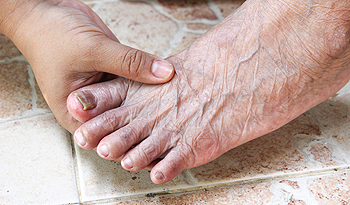
Fungal nail infections primarily affect toenails, causing them to thicken, become discolored, and occasionally separate from the nail bed. In mild cases, fungal toenail infections might not require immediate treatment, yet some patients have a higher risk of complications and should seek professional advice promptly. Risk factors include diabetes, psoriasis, peripheral arterial disease, smoking, or medications that weaken the immune system. Fungal infections typically develop from minor injuries near the nail. They can be spread by sharing personal items like nail clippers or towels, walking barefoot in moist public areas, or transferring athlete’s foot from the skin between toes to the toenails. Treatment is often challenging due to frequent recurrences, and may include prescription antifungal nail lacquers, or oral antifungal medications prescribed by a podiatrist. In severe cases, a podiatrist may recommend surgery to remove the affected nail completely. If you notice that your toenail appears infected, it is suggested that you schedule an appointment with a podiatrist for an exam, diagnosis, and treatment options.
If left untreated, toenail fungus may spread to other toenails, skin, or even fingernails. If you suspect you have toenail fungus it is important to seek treatment right away. For more information about treatment, contact Chukwuma Ukata, DPM of Advanced Carolina Foot and Ankle Center. Our doctor can provide the care you need to keep you pain-free and on your feet.
Symptoms
Treatment
If self-care strategies and over-the-counter medications does not help your fungus, your podiatrist may give you a prescription drug instead. Even if you find relief from your toenail fungus symptoms, you may experience a repeat infection in the future.
Prevention
In order to prevent getting toenail fungus in the future, you should always make sure to wash your feet with soap and water. After washing, it is important to dry your feet thoroughly especially in between the toes. When trimming your toenails, be sure to trim straight across instead of in a rounded shape. It is crucial not to cover up discolored nails with nail polish because that will prevent your nail from being able to “breathe”.
In some cases, surgical procedure may be needed to remove the toenail fungus. Consult with your podiatrist about the best treatment options for your case of toenail fungus.
If you have any questions, please feel free to contact our office located in Garner, NC . We offer the newest diagnostic and treatment technologies for all your foot care needs.
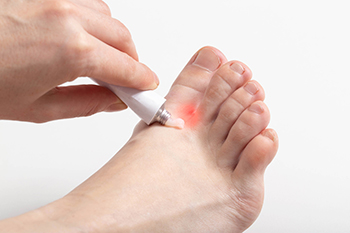
Athlete's foot is a fungal infection that primarily affects the skin on the feet often between the toes. It is caused by a fungus called dermatophyte, which thrives in warm, moist environments such as sweaty shoes and locker rooms. The symptoms include itching, redness, burning, and peeling of the skin, often accompanied by blisters or cracks. In severe cases, the infection may spread to the toenails or the soles of the feet. Diagnosing athlete's foot typically involves a physical examination of the affected area. A podiatrist may also take a skin sample for laboratory testing to confirm the presence of the fungus. If you have developed athlete’s foot, it is suggested that you consult a podiatrist who can effectively treat this condition.
Athlete’s foot is an inconvenient condition that can be easily reduced with the proper treatment. If you have any concerns about your feet and ankles, contact Chukwuma Ukata, DPM from Advanced Carolina Foot and Ankle Center. Our doctor will treat your foot and ankle needs.
Athlete’s Foot: The Sole Story
Athlete's foot, also known as tinea pedis, can be an extremely contagious foot infection. It is commonly contracted in public changing areas and bathrooms, dormitory style living quarters, around locker rooms and public swimming pools, or anywhere your feet often come into contact with other people.
Solutions to Combat Athlete’s Foot
Athlete’s foot can cause many irritating symptoms such as dry and flaking skin, itching, and redness. Some more severe symptoms can include bleeding and cracked skin, intense itching and burning, and even pain when walking. In the worst cases, Athlete’s foot can cause blistering as well. Speak to your podiatrist for a better understanding of the different causes of Athlete’s foot, as well as help in determining which treatment options are best for you.
If you have any questions please feel free to contact our office located in Garner, NC . We offer the newest diagnostic and treatment technologies for all your foot and ankle needs.




 accessibility - Default