
Blog

Peripheral Artery Disease and the Feet

Peripheral artery disease, or PAD, is a condition where the arteries that carry blood to the legs and feet become narrowed by a buildup of fatty deposits. This limits blood flow, especially when walking. A common symptom of peripheral artery disease is cramping or aching in the calves after a short distance, which usually stops with rest. This happens because the muscles are not getting enough oxygen-rich blood. People with PAD may also notice slower toenail growth, less hair on the lower legs, or feet that feel cool to the touch. In more serious cases, pain can develop in the feet even at rest, particularly at night, and sores may appear on the toes or feet due to poor blood supply. A podiatrist can check for weak blood flow in the feet and may use a simple ankle pressure test to help diagnose the problem. If you are experiencing circulation problems affecting the feet, it is suggested that you schedule an appointment with a podiatrist for an exam and appropriate treatment options.

Peripheral artery disease can pose a serious risk to your health. It can increase the risk of stroke and heart attack. If you have symptoms of peripheral artery disease, consult with Chukwuma Ukata, DPM from Advanced Carolina Foot and Ankle Center. Our doctor will assess your condition and provide you with quality foot and ankle treatment.

Peripheral artery disease (PAD) is when arteries are constricted due to plaque (fatty deposits) build-up. This results in less blood flow to the legs and other extremities. The main cause of PAD is atherosclerosis, in which plaque builds up in the arteries.

Symptoms

Symptoms of PAD include:

  • Claudication (leg pain from walking)
  • Numbness in legs
  • Decrease in growth of leg hair and toenails
  • Paleness of the skin
  • Erectile dysfunction
  • Sores and wounds on legs and feet that won’t heal
  • Coldness in one leg

It is important to note that a majority of individuals never show any symptoms of PAD.

Diagnosis

While PAD occurs in the legs and arteries, Podiatrists can diagnose PAD. Podiatrists utilize a test called an ankle-brachial index (ABI). An ABI test compares blood pressure in your arm to you ankle to see if any abnormality occurs. Ultrasound and imaging devices may also be used.

Treatment

Fortunately, lifestyle changes such as maintaining a healthy diet, exercising, managing cholesterol and blood sugar levels, and quitting smoking, can all treat PAD. Medications that prevent clots from occurring can be prescribed. Finally, in some cases, surgery may be recommended.

If you have any questions, please feel free to contact our office located in Garner, NC . We offer the newest diagnostic and treatment technologies for all your foot care needs.
Read more about Peripheral Artery Disease

Types of Corns on the Feet

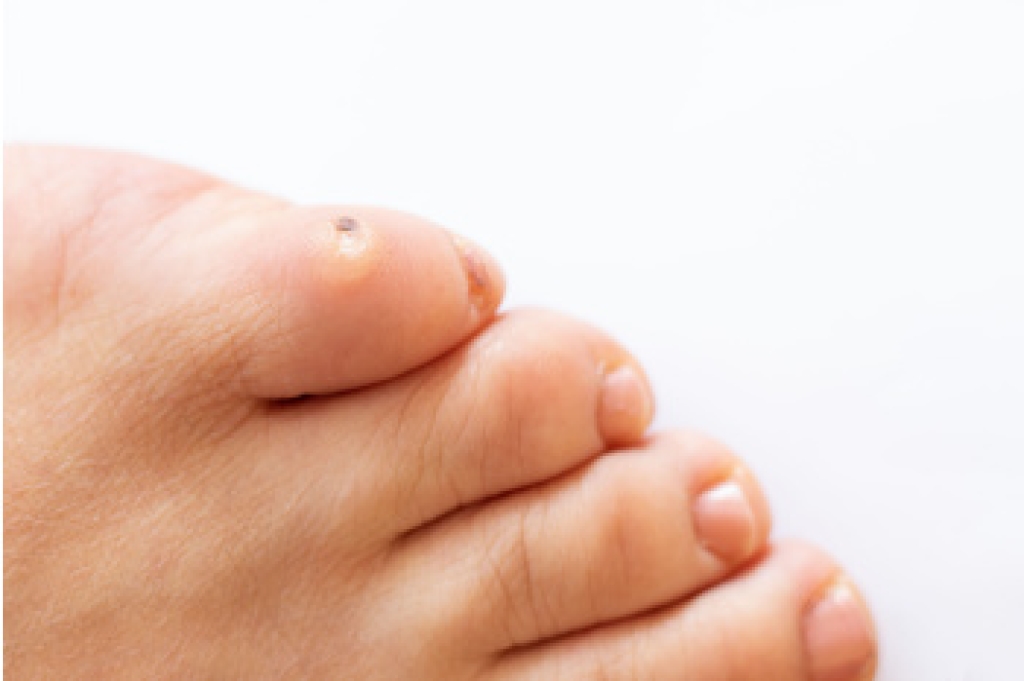
Corns are small, thick areas of skin that form on the feet in response to repeated rubbing or pressure. Unlike calluses, which tend to be broader and more spread out, corns on the feet or toes are usually round and well-defined. They can become painful, especially when they press against bones or shoes. There are a few common types of corns. Hard corns often appear on the top or side of the toes, especially over joints where the skin rubs against footwear. Soft corns form between the toes and stay moist due to trapped sweat, which can make the skin break down or lead to infection. Seed corns, which are smaller, are typically found on the soles in areas that do not carry much weight. They usually do not cause pain. If you have a painful corn on your foot, it is suggested that you schedule an appointment with a podiatrist for safe and sterile treatment.

If you have any concerns regarding your feet and ankles, contact Chukwuma Ukata, DPM of Advanced Carolina Foot and Ankle Center. Our doctor will treat your foot and ankle needs.

Corns: What Are They? and How Do You Get Rid of Them?
Corns can be described as areas of the skin that have thickened to the point of becoming painful or irritating. They are often layers and layers of the skin that have become dry and rough, and are normally smaller than calluses.

Ways to Prevent Corns
There are many ways to get rid of painful corns such as wearing:

  • Well-fitting socks
  • Comfortable shoes that are not tight around your foot
  • Shoes that offer support

Treating Corns
Treatment of corns involves removing the dead skin that has built up in the specific area of the foot. Consult with Our doctor to determine the best treatment option for your case of corns.

If you have any questions, please feel free to contact our office located in Garner, NC . We offer the newest diagnostic and treatment technologies for all your foot care needs.

Read more about Understanding Corns and Calluses

Common Issues That Affect Big Toe Joints

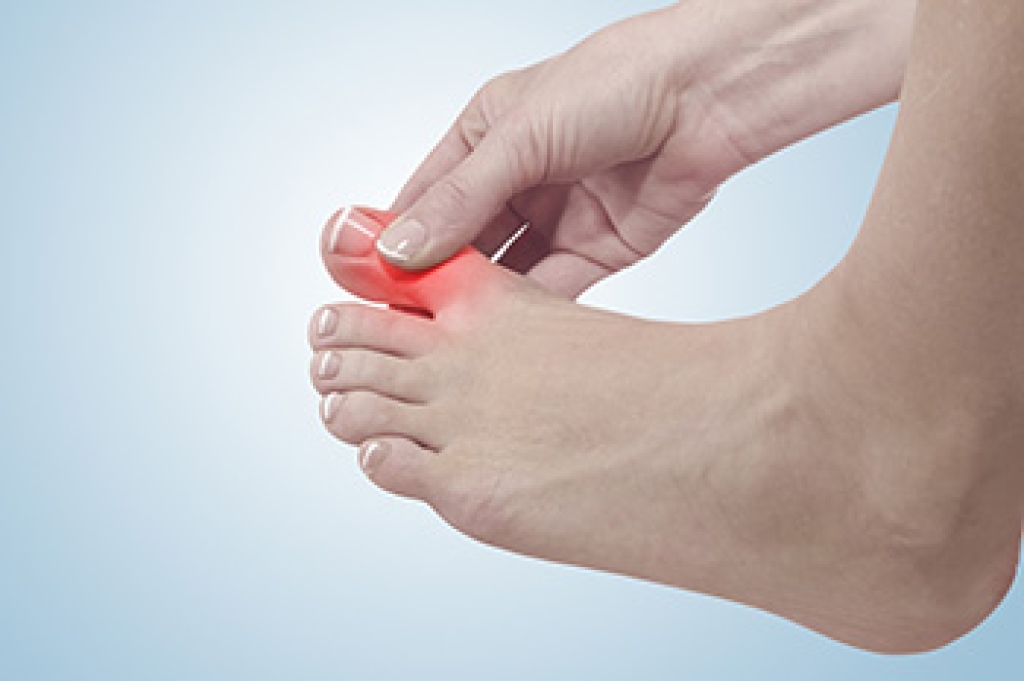
The big toe joint plays a key role in balance and movement, and when problems arise, they can interfere with everyday activities. One of the most well-known conditions is a bunion, where the joint becomes enlarged and the tip of the toe starts to angle inward. Another frequent issue is arthritis, which can cause stiffness, pain, and reduced motion. Some people experience turf toe, a sprain caused by pushing off the toe with force, often during sports. Overuse, injury, or wearing tight shoes may contribute to these conditions. Symptoms often include swelling, aching, and difficulty bending the toe. Ignoring early signs may lead to worsening discomfort or joint damage. If you are feeling pain or notice changes in the shape or movement of your big toe, it is suggested that you see a podiatrist for an evaluation and the most appropriate treatment.

Arthritis can be a difficult condition to live with. If you are seeking treatment, contact Chukwuma Ukata, DPM from Advanced Carolina Foot and Ankle Center. Our doctor can provide the care you need to keep you pain-free and on your feet.

Arthritic Foot Care  

Arthritis is a term that is commonly used to describe joint pain.  The condition itself can occur to anyone of any age, race, or gender, and there are over 100 types of it.  Nevertheless, arthritis is more commonly found in women compared to men, and it is also more prevalent in those who are overweight. The causes of arthritis vary depending on which type of arthritis you have. Osteoarthritis for example, is often caused by injury, while rheumatoid arthritis is caused by a misdirected immune system.

Symptoms

  • Swelling
  • Pain
  • Stiffness
  • Decreased Range of Motion

Arthritic symptoms range in severity, and they may come and go. Some symptoms stay the same for several years but could potentially get worse with time. Severe cases of arthritis can prevent its sufferers from performing daily activities and make walking difficult.

Risk Factors

  • Occupation – Occupations requiring repetitive knee movements have been linked to osteoarthritis
  • Obesity – Excess weight can contribute to osteoarthritis development
  • Infection – Microbial agents can infect the joints and trigger arthritis
  • Joint Injuries – Damage to joints may lead to osteoarthritis
  • Age – Risk increases with age
  • Gender –Most types are more common in women
  • Genetics – Arthritis can be hereditary

If you suspect your arthritis is affecting your feet, it is crucial that you see a podiatrist immediately. Your doctor will be able to address your specific case and help you decide which treatment method is best for you.

If you have any questions please feel free to contact our office located in Garner, NC . We offer the newest diagnostic tools and technology to treat your foot and ankle needs.

Read more about How to Care for Your Arthritic Foot

Why Live with Pain and Numbness in Your Feet?

Suffering from this type of pain? You may have the foot condition known as Morton's neuroma. Morton's neuroma may develop as a result of ill-fitting footwear and existing foot deformities. We can help.

What You Need to Know About Plantar Fibromas

A plantar fibroma is a firm, noncancerous growth that develops within the arch of the foot in the plantar fascia tissue. It can cause discomfort or pain, especially when walking or standing. The exact cause is unknown, but it may be linked to genetics, foot trauma, or medical conditions, such as diabetes and epilepsy. Symptoms include a noticeable lump in the arch, tenderness, or a feeling of pressure when wearing shoes. Risk factors include repetitive foot strain and certain health conditions. A podiatrist can diagnose a plantar fibroma through examination and imaging, then provide treatment options such as orthotics. If you notice a lump in the arch of your foot, it is suggested that you schedule an appointment with a podiatrist for appropriate treatment solutions.

A plantar fibroma may disrupt your daily activities. If you have any concerns, contact Chukwuma Ukata, DPM of Advanced Carolina Foot and Ankle Center. Our doctor can provide the care you need to keep you pain-free and on your feet.

Plantar Fibroma

A plantar fibroma is a fibrous knot in the arch of the foot. It is embedded in the plantar fascia which is a band of tissue that extends from the heel to the toes along the bottom of the foot. There can be multiple plantar fibromas in the feet at the same time. There are no known causes for this condition. If you have a plantar fibroma, there will be a bump in the arch of your foot that cannot be missed. Any associated pain is most often due to a shoe rubbing against the nodule. Non-surgical options, such as steroid injections, physical therapy, and orthotics should be tried first. Surgery is a last resort and is the only thing that will remove a plantar fibroma entirely. Consult with a podiatrist for a proper diagnosis and to determine the treatment regimen that is right for you.

What Causes a Plantar Fibroma?

While there are no specific causes identified, a plantar fibroma can possibly come from genetic predisposition or the formation of scar tissue that forms from healing the tears in the plantar fascia.

What Are the Symptoms of a Plantar Fibroma?

There will be a noticeable lump in the arch of the foot that may or may not cause pain. If pain is felt, it is typically because a shoe is rubbing up against the lump or when walking or standing barefoot.

Treatment and Prevention

A plantar fibroma will not disappear without treatment, but it can get smaller and be a non-issue. If pain persists, a podiatrist examines the foot and when the arch of the foot is pressed, pain can be felt down to the toes. An MRI or biopsy might be performed to help diagnose or evaluate the plantar fibroma. The following non-surgical options are generally enough to reduce the size and pain of these nodules:

  • Steroid injections
  • Orthotics
  • Physical therapy to help apply anti-inflammatory creams on the bump 

Surgery is considered if the mass increases in size and the patient continues to feel pain after non-surgical methods are tried.

If you have any questions, please feel free to contact our office located in Garner, NC . We offer the newest diagnostic and treatment technologies for all your foot care needs.

Read more about Plantar Fibroma
Connect With Us