
Blog

Stretching and Wearing the Correct Running Shoes

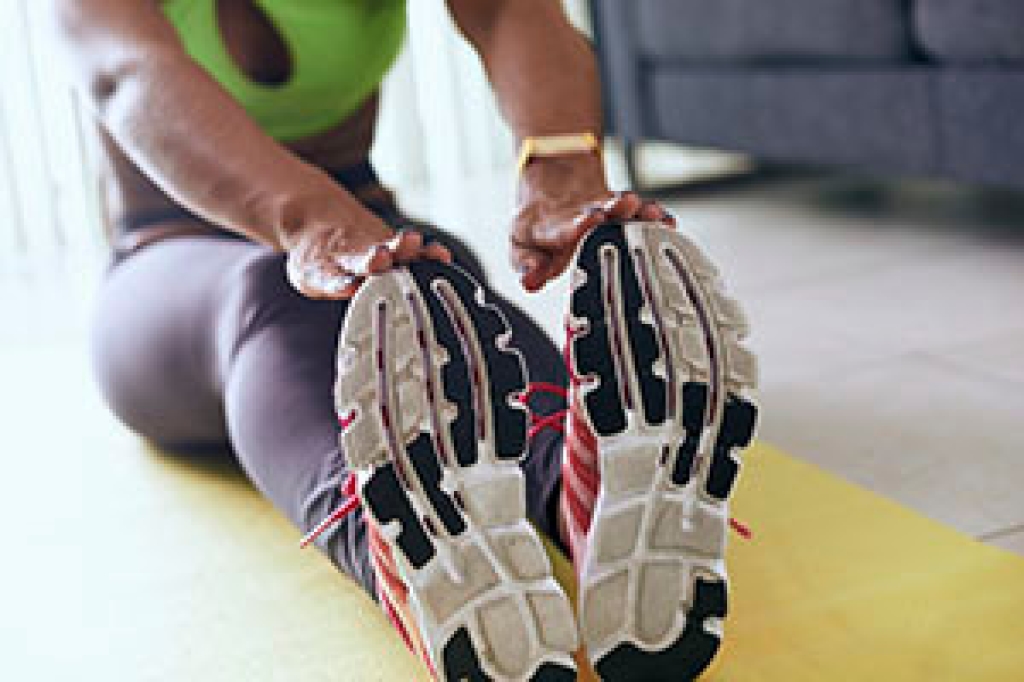
Many people have a strong desire to run in a marathon. Research has indicated the importance of warming up properly as the training regime begins, and this may be helpful in preventing running injuries. An injury to the plantar fascia typically starts by noticing pain in the heel. It is recommended that the calves and arches are properly stretched before beginning the physical training that is necessary to run a marathon. This can help to keep the muscles and tendons flexible. Ankle injuries may be avoided by performing heel drops, which can help to build strength in the ankles. Additionally, it is helpful to wear running shoes that are made of a lightweight material, and have adequate cushioning. If you enjoy the sport of running, and would like additional information about how the feet may be affected by running injuries, please consult with a podiatrist.

All runners should take extra precaution when trying to avoid injury. If you have any concerns about your feet, contact Chukwuma Ukata, DPM of Advanced Carolina Foot and Ankle Center. Our doctor will treat your foot and ankle needs.

How to Prevent Running Injuries

There are a lot of mistakes a runner can make prior to a workout that can induce injury. A lot of athletes tend to overstretch before running, instead of saving those workouts for a post-run routine. Deep lunges and hand-to-toe hamstring pulls should be performed after a workout instead of during a warmup. Another common mistake is jumping into an intense routine before your body is physically prepared for it. You should try to ease your way into long-distance running instead of forcing yourself to rush into it.

More Tips for Preventing Injury

  • Incorporate Strength Training into Workouts - This will help improve the body’s overall athleticism
  • Improve and Maintain Your Flexibility – Stretching everyday will help improve overall performance
  • “Warm Up” Before Running and “Cool Down” Afterward – A warm up of 5-10 minutes helps get rid of lactic acid in the muscles and prevents delayed muscle soreness
  • Cross-Training is Crucial
  • Wear Proper Running Shoes
  • Have a Formal Gait Analysis – Poor biomechanics can easily cause injury

If you have any questions, please feel free to contact our office located in Garner, NC . We offer the newest diagnostic and treatment technologies for all your foot care needs.

Read more about Preventing Running Injuries

What is a Stress Fracture?

Have you recently gone on vacation, and walked more than you usually do at home on a day to day basis? Do you now have pain in your ankle or foot? Stress fractures don’t only occur in people who run and exercise daily, because anyone is at risk. Typically, this type of injury can be caused by a sudden increase in physical activity. Examples are an increase in exercise frequency, running on a different surface, and even changing your shoes can all be causes of a stress fracture. A stress fracture is a small crack in a bone, or severe bruising within a bone. To prevent stress fractures, it is suggested that you implement a proper nutrition regiment, wear shoes that fit correctly, and start slowly when beginning any new exercise routine. If you believe you have a stress fracture, it is strongly advised to schedule an appointment with a podiatrist. Prior to your appointment, it is suggested that you  elevate your foot which may help to relieve swelling.

Activities where too much pressure is put on the feet can cause stress fractures. To learn more, contact Chukwuma Ukata, DPM from Advanced Carolina Foot and Ankle Center. Our doctor can provide the care you need to keep your pain free and on your feet.

Dealing with Stress Fractures of the Foot and Ankle

Stress fractures occur in the foot and ankle when muscles in these areas weaken from too much or too little use.  The feet and ankles then lose support when walking or running from the impact of the ground. Since there is no protection, the bones receive the full impact of each step. Stress on the feet can cause cracks to form in the bones, thus creating stress fractures.

What Are Stress Fractures?

Stress fractures occur frequently in individuals whose daily activities cause great impact on the feet and ankles. Stress factors are most common among:

  • Runners                                
  • People affected with Osteoporosis
  • Tennis or basketball players
  • Gymnasts
  • High impact workouts

Symptoms

Pain from the fractures occur in the area of the fractures and can be constant or intermittent. It will often cause sharp or dull pain with swelling and tenderness. Engaging in any kind of activity which involves high impact will aggravate pain.

If you have any questions please contact our office located in Garner, NC . We offer the newest diagnostic and treatment technologies for all your foot and ankle needs.

Read more about Dealing with Stress Fractures of the Foot and Ankle

What Causes Toenail Fungus To Develop?

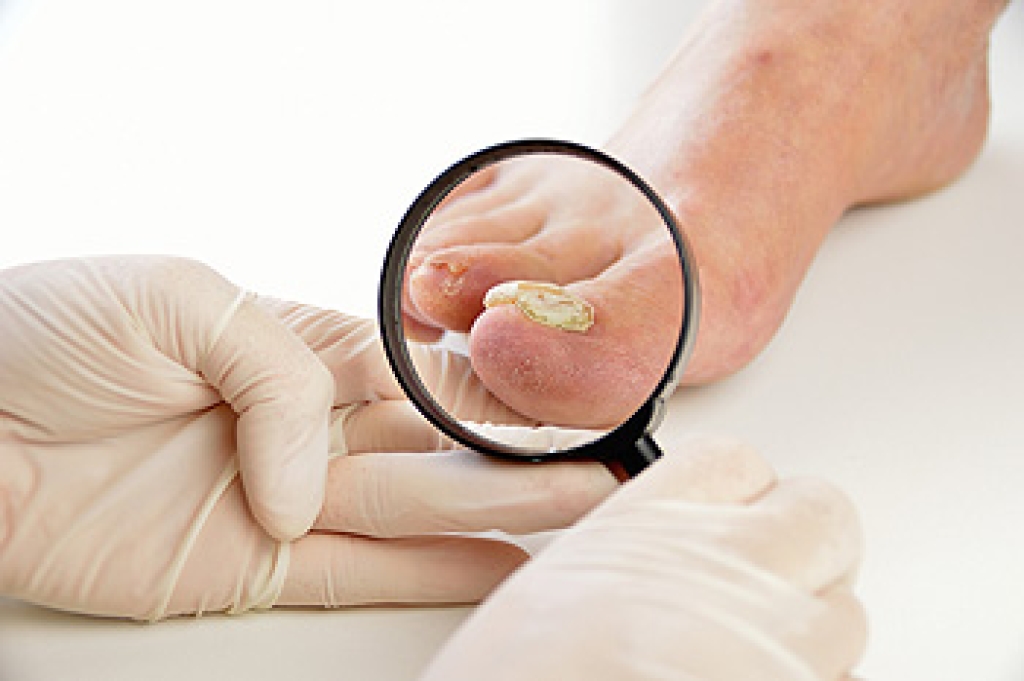
Research has indicated that approximately half of the population is affected with nail fungus, and it is most likely to occur in the toenails. It is caused by a fungal infection, and typically develops in the big toe. There are several symptoms that are associated with this ailment. These can include a yellowing of the nail, and it may appear brittle and dull. In severe cases, the nail may produce a foul odor, and can lift from the nail bed. The fungus that causes this contagious condition lives and thrives in warm and moist areas. These can consist of public swimming pools and locker room floors. There may be preventive measures that can be taken that can include wearing appropriate shoes while in these types of environments, in addition to wearing shoes and socks that are made of a breathable material. If you notice a toenail fungus is developing, it is suggested that you schedule a consultation with a podiatrist who can offer you proper treatment techniques.

If left untreated, toenail fungus may spread to other toenails, skin, or even fingernails. If you suspect you have toenail fungus it is important to seek treatment right away. For more information about treatment, contact Chukwuma Ukata, DPM of Advanced Carolina Foot and Ankle Center. Our doctor can provide the care you need to keep you pain-free and on your feet.

Symptoms

  • Warped or oddly shaped nails
  • Yellowish nails
  • Loose/separated nail
  • Buildup of bits and pieces of nail fragments under the nail
  • Brittle, broken, thickened nail

Treatment

If self-care strategies and over-the-counter medications does not help your fungus, your podiatrist may give you a prescription drug instead. Even if you find relief from your toenail fungus symptoms, you may experience a repeat infection in the future.

Prevention

In order to prevent getting toenail fungus in the future, you should always make sure to wash your feet with soap and water. After washing, it is important to dry your feet thoroughly especially in between the toes. When trimming your toenails, be sure to trim straight across instead of in a rounded shape. It is crucial not to cover up discolored nails with nail polish because that will prevent your nail from being able to “breathe”.

In some cases, surgical procedure may be needed to remove the toenail fungus. Consult with your podiatrist about the best treatment options for your case of toenail fungus.  

If you have any questions please contact our office located in Garner, NC . We offer the newest diagnostic and treatment technologies for all your foot and ankle needs.

Read more about Toenail Fungus

When Do Children Begin To Walk?

Babies feet are generally flexible when they are born. There are numerous bones, joints, and ligaments that hold the feet together, and will become stronger as walking begins. This typically happens between eight and eighteen months of age. Research has indicated it is beneficial to have your children walk barefoot while they are indoors. The overall strength of the foot may be developed as a result of the grasping action the toes will provide. When it is time to walk outside, wearing the proper footwear will help the child to balance as the feet become stronger. These shoes should consist of having soles that are flexible and flat, and it is recommended that there is adequate room for the toes to move freely in. If you notice your child’s feet are turning inward or outward, it is advised to schedule an appointment with a podiatrist who can properly assess your child’s feet.

The health of a child’s feet is vital to their overall well-being. If you have any questions regarding foot health, contact Chukwuma Ukata, DPM of Advanced Carolina Foot and Ankle Center. Our doctor can provide the care you need to keep you pain-free and on your feet.

Tips for Keeping Children's Feet Healthy

  • Make sure their shoes fit properly
  • Look for any signs of in-toeing or out-toeing
  • Check to see if they have Clubfoot (condition that affects your child’s foot and ankle, twisting the heel and toes inward) which is one of the most common nonmajor birth defects.
  • Lightly cover your baby’s feet (Tight covers may keep your baby from moving their feet freely, and could prevent normal development)
  • Allow your toddler to go shoeless (Shoes can be restricting for a young child’s foot)
  • Cut toenails straight across to avoid ingrown toenails
  • Keep your child’s foot clean and dry
  • Cover cuts and scrapes. Wash any scratches with soap and water and cover them with a bandage until they’ve healed.

If you have any questions, please feel free to contact our office located in Garner, NC . We offer the newest diagnostic and treatment technologies for all your foot care needs.

Read more about How to Care for Your Child's Feet

Is Hammertoe A Deformity?

There are noticeable signs you may have a hammertoe. These can include the second toe bending in a downward direction, often resembling a hammer. Additionally, it may bend over the third toe, and it may be difficult to walk. This condition may be caused by genetic traits, or can come from wearing shoes that do not have enough room for the toes to move freely in. It is considered to be a deformity of the bones in the toes, and in severe cases, surgery may be required to permanently straighten the toes. In the beginning stages of hammertoe, mild relief may be found when larger shoes are worn that can accommodate the bent toes. Some patients find it beneficial to wear pads on the top of the affected toes, and this may help to prevent corns from developing. If you are afflicted with hammertoe, it is suggested that you speak to a podiatrist who can properly treat this condition. 

Hammertoes can be a painful condition to live with. For more information, contact Chukwuma Ukata, DPM of Advanced Carolina Foot and Ankle Center. Our doctor will answer any of your foot- and ankle-related questions.

Hammertoe

Hammertoe is a foot deformity that occurs due to an imbalance in the muscles, tendons, or ligaments that normally hold the toe straight. It can be caused by the type of shoes you wear, your foot structure, trauma, and certain disease processes.

Symptoms

  • Painful and/or difficult toe movement
  • Swelling
  • Joint stiffness
  • Calluses/Corns
  • Physical deformity

Risk Factors

  • Age – The risk of hammertoe increases with age
  • Sex – Women are more likely to have hammertoe compared to men
  • Toe Length – You are more likely to develop hammertoe if your second toe is longer than your big toe
  • Certain Diseases – Arthritis and diabetes may make you more likely to develop hammertoe

Treatment

If you have hammertoe, you should change into a more comfortable shoe that provides enough room for your toes. Exercises such as picking up marbles may strengthen and stretch your toe muscles. Nevertheless, it is important to seek assistance from a podiatrist in order to determine the severity of your hammertoe and see which treatment option will work best for you.

If you have any questions, please feel free to contact our office located in Garner, NC . We offer the newest diagnostic and treatment technologies for all your foot care needs.

Read more about Hammertoe
Connect With Us