
Blog

When Surgery May Help Plantar Fasciitis

Plantar fasciitis involves inflammation of the thick band of tissue along the bottom of the foot, often causing heel pain with the first steps of the day. Most cases improve with conservative care, but when chronic pain persists and limits daily or physical activities surgery may be considered . The procedure typically involves releasing a small portion of the plantar fascia to reduce tension and improve movement. Good candidates are those who have not responded to other treatments and continue to experience significant discomfort. Risk factors include overuse, poor footwear, and foot structure. A podiatrist can provide non-surgical care, and determine if surgery is appropriate. If you have symptoms of plantar fasciitis, it is suggested that you consult a podiatrist who can provide a proper diagnosis and determine the best treatment option for you.

Foot surgery is sometimes necessary to treat a foot ailment. To learn more, contact Chukwuma Ukata, DPM of Advanced Carolina Foot and Ankle Center. Our doctor will assist you with all of your foot and ankle needs.

When Is Surgery Necessary?

Foot and ankle surgery is generally reserved for cases in which less invasive, conservative procedures have failed to alleviate the problem. Some of the cases in which surgery may be necessary include:

  • Removing foot deformities like bunions and bone spurs
  • Severe arthritis that has caused bone issues
  • Cosmetic reconstruction

What Types of Surgery Are There?

The type of surgery you receive will depend on the nature of the problem you have. Some of the possible surgeries include:

  • Bunionectomy for painful bunions
  • Surgical fusion for realignment of bones
  • Neuropathy decompression surgery to treat nerve damage

Benefits of Surgery

Although surgery is usually a last resort, it can provide more complete pain relief compared to non-surgical methods and may allow you to finally resume full activity.

Surgical techniques have also become increasingly sophisticated. Techniques like endoscopic surgery allow for smaller incisions and faster recovery times.

If you have any questions, please feel free to contact our office located in Garner, NC . We offer the newest diagnostic and treatment technologies for all your foot care needs.

Read more about Foot and Ankle Surgery

Sever’s Disease and Heel Pain in Growing Children

Sever’s disease is a common cause of heel pain in growing children. It is related to irritation of the growth plate in this area. It most often affects active children during growth spurts when bones, muscles, and tendons are developing at different rates. Risk factors include participation in sports, tight calf muscles, and repetitive stress on the heel. Symptoms include heel pain during activity, tenderness, and limping. Discomfort often improves with rest, but can return with movement. A podiatrist can evaluate the condition, and recommend stretching, supportive footwear, and other treatments to reduce strain and promote healing. Early care can improve comfort and prevent ongoing issues. If your active child has heel pain, it is suggested that you consult a podiatrist who can accurately diagnose the problem.

Sever's disease often occurs in children and teens. If your child is experiencing foot or ankle pain, see Chukwuma Ukata, DPM from Advanced Carolina Foot and Ankle Center. Our doctor can treat your child’s foot and ankle needs.

Sever’s Disease

Sever’s disease is also known as calcaneal apophysitis, which is a medical condition that causes heel pain I none or both feet. The disease is known to affect children between the ages of 8 and 14.

Sever’s disease occurs when part of the child’s heel known as the growth plate (calcaneal epiphysis) is attached to the Achilles tendon. This area can suffer injury when the muscles and tendons of the growing foot do not keep pace with bone growth. Therefore, the constant pain which one experiences at the back of the heel will make the child unable to put any weight on the heel. The child is then forced to walk on their toes.

Symptoms

Acute pain – Pain associated with Sever’s disease is usually felt in the heel when the child engages in physical activity such as walking, jumping and or running.

Highly active – Children who are very active are among the most susceptible in experiencing Sever’s disease, because of the stress and tension placed on their feet.

If you have any questions, please feel free to contact our office located in Garner, NC . We offer the newest diagnostic and treatment technologies for all your foot care needs.

Read more about Sever's Disease

Tarsal Tunnel Syndrome and Nerve Pain in the Foot

Tarsal tunnel syndrome is a condition caused by compression of the tibial nerve as it passes through the tarsal tunnel near the inside of the ankle. This can lead to pain, tingling, burning sensations, or numbness that may travel into the heel, arch, or toes. Symptoms often worsen with standing, walking, or activity. Causes include injury, swelling, flat feet, or repetitive stress on the ankle. Risk factors include certain foot structures, arthritis, and conditions that cause inflammation. This condition can significantly affect walking comfort and daily mobility. A podiatrist can diagnose the issue, identify the source of nerve pressure, and recommend orthotics or other interventions. If you have persistent foot or ankle nerve pain, it is suggested that you consult a podiatrist who can guide you toward effective relief and treatment solutions.

Tarsal tunnel syndrome can be very uncomfortable to live with. If you are experiencing tarsal tunnel syndrome, contact Chukwuma Ukata, DPM of Advanced Carolina Foot and Ankle Center. Our doctor can provide the care you need to keep you pain-free and on your feet.

Tarsal Tunnel Syndrome

Tarsal tunnel syndrome, which can also be called tibial nerve dysfunction, is an uncommon condition of misfiring peripheral nerves in the foot. The tibial nerve is the peripheral nerve in the leg responsible for sensation and movement of the foot and calf muscles. In tarsal tunnel syndrome, the tibial nerve is damaged, causing problems with movement and feeling in the foot of the affected leg.

Common Cause of Tarsal Tunnel Syndrome

  • Involves pressure or an injury, direct pressure on the tibial nerve for an extended period of time, sometimes caused by other body structures close by or near the knee.
  • Diseases that damage nerves, including diabetes, may cause tarsal tunnel syndrome.
  • At times, tarsal tunnel syndrome can appear without an obvious cause in some cases.

The Effects of Tarsal Tunnel Syndrome

  • Different sensations, an afflicted person may experience pain, tingling, burning or other unusual sensations in the foot of the affected leg.
  • The foot muscles, toes and ankle become weaker, and curling your toes or flexing your foot can become difficult.
  • If condition worsens, infections and ulcers may develop on the foot that is experiencing the syndrome.

A physical exam of the leg can help identify the presence of tarsal tunnel syndrome. Medical tests, such as a nerve biopsy, are also used to diagnose the condition. Patients may receive physical therapy and prescriptive medication. In extreme cases, some may require surgery.

If you have any questions please contact our office located in Garner, NC . We offer the newest diagnostic and treatment technologies for all your foot and ankle needs.

Read more about Treating Tarsal Tunnel Syndrome

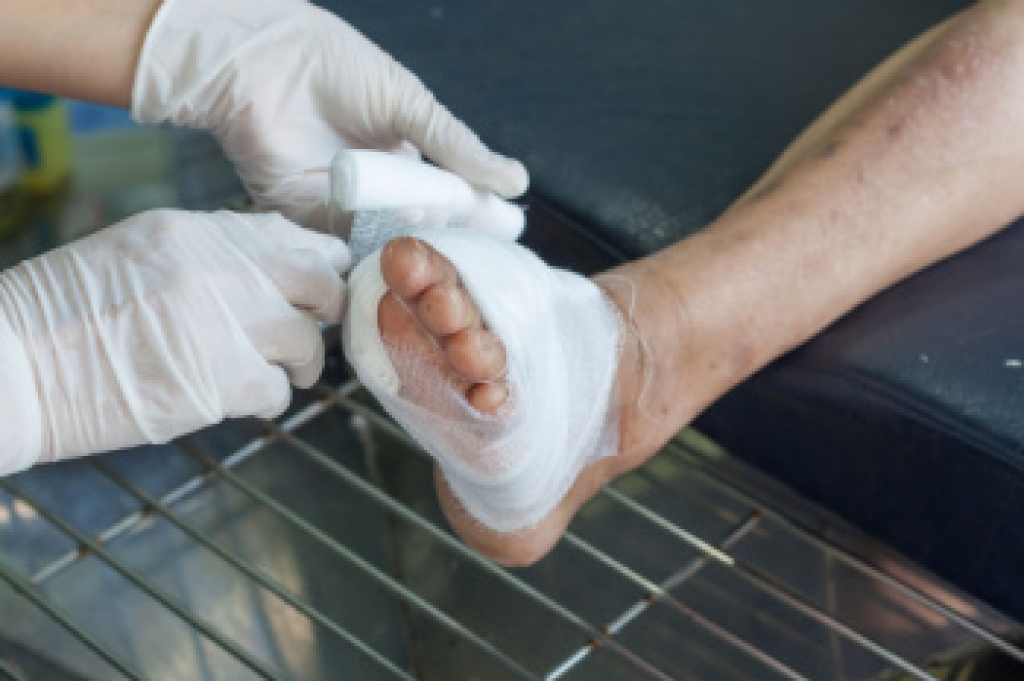
Wounds That Don't Heal Need to Be Checked

Your feet are covered most of the day. If you're diabetic, periodic screening is important for good health. Numbness is often a sign of diabetic foot and can mask a sore or wound.

Morton’s Neuroma and Metatarsalgia

Morton’s neuroma is a condition involving inflammation and thickening of tissue surrounding a nerve between the toes, most commonly between the third and fourth toes. Metatarsalgia is an overall term for pain in the ball of the foot and Morton’s neuroma may cause this type of pain. This pressure on the nerve can lead to sharp pain, burning sensations, or the feeling of standing on a pebble. Causes include repeated irritation from wearing high heels or pointed shoes that compress the forefoot. Risk factors include being female, increasing age, and foot abnormalities such as flat feet or high arches. Symptoms may worsen with walking or wearing tight footwear, and improve with rest. A podiatrist can diagnose the condition, recommend footwear changes, provide padding or orthotics, and offer treatment to reduce nerve irritation. If you have pain in this part of your foot, it is suggested that you consult a podiatrist who can accurately diagnose and treat what may be going on.

Morton’s neuroma is a very uncomfortable condition to live with. If you think you have Morton’s neuroma, contact Chukwuma Ukata, DPM of Advanced Carolina Foot and Ankle Center. Our doctor will attend to all of your foot care needs and answer any of your related questions.  

Morton’s Neuroma

Morton's neuroma is a painful foot condition that commonly affects the areas between the second and third or third and fourth toe, although other areas of the foot are also susceptible. Morton’s neuroma is caused by an inflamed nerve in the foot that is being squeezed and aggravated by surrounding bones.

What Increases the Chances of Having Morton’s Neuroma?

  • Ill-fitting high heels or shoes that add pressure to the toe or foot
  • Jogging, running or any sport that involves constant impact to the foot
  • Flat feet, bunions, and any other foot deformities

Morton’s neuroma is a very treatable condition. Orthotics and shoe inserts can often be used to alleviate the pain on the forefront of the feet. In more severe cases, corticosteroids can also be prescribed. In order to figure out the best treatment for your neuroma, it’s recommended to seek the care of a podiatrist who can diagnose your condition and provide different treatment options.

If you have any questions, please feel free to contact our office located in Garner, NC . We offer the newest diagnostic and treatment technologies for all your foot care needs.

Read more about What is Morton's Neuroma?
Connect With Us