
Blog

Plantar Warts Can Be Treated!

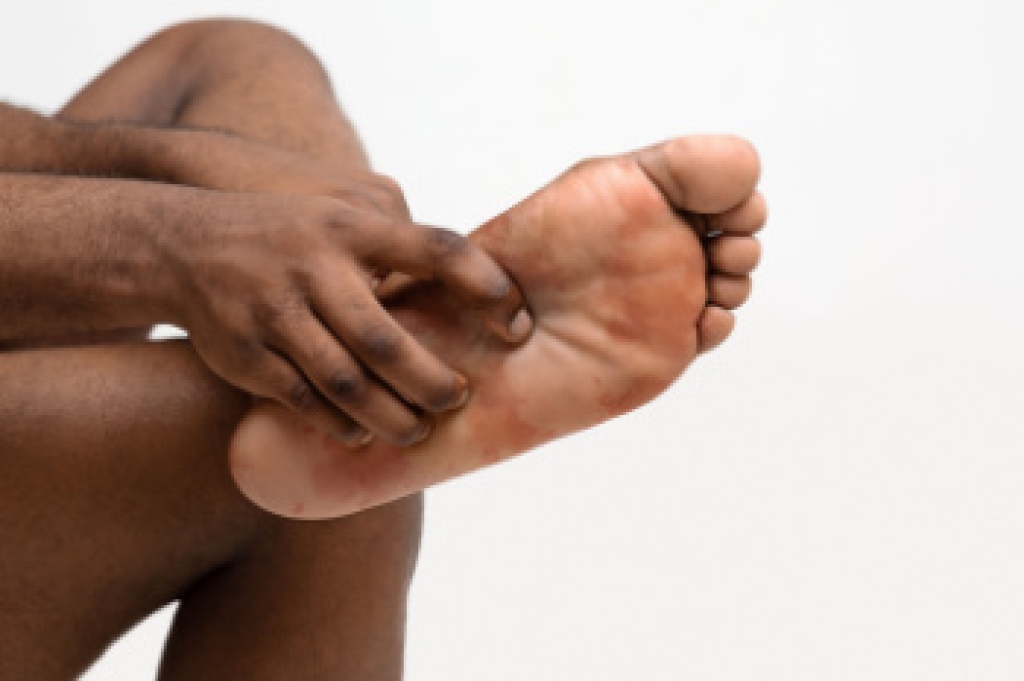
Plantar warts are small growths that develop on parts of the feet that bear weight. They're typically found on the bottom of the foot. Don't live with plantar warts, and call us today!

How to Recognize Symptoms of Morton’s Neuroma

Morton’s neuroma is a condition that affects the nerves in the forefoot, leading to pain and discomfort during daily activities. It develops when the tissue around a nerve becomes thickened due to repeated irritation or pressure. This commonly occurs in the area between the toes, where the nerve is more vulnerable to compression. Although the condition is not dangerous, it can significantly impact walking and overall foot function.

Common symptoms include pain in the ball of the foot that may feel sharp or burning in nature. Some individuals report a sensation of standing on a small object, often described as a pebble in the shoe. Numbness or tingling in the toes may also be present, along with stiffness in the morning that gradually improves throughout the day. These symptoms are often aggravated by activity or by wearing shoes that do not provide enough space or support.


Several factors can increase the risk of developing Morton’s neuroma. Repetitive stress from high-impact activities can irritate the nerve, while tight or narrow shoes can compress the forefoot. High-heeled footwear shifts body weight forward, adding pressure to the affected area. Structural foot issues, such as bunions or abnormal arches, can also contribute to uneven pressure distribution and increase the likelihood of nerve irritation.


Understanding the causes and symptoms of Morton’s neuroma is essential for early intervention and effective care. Taking steps to reduce pressure on the forefoot can improve comfort and prevent worsening symptoms. Seeking a podiatrist's evaluation can help determine the best course of treatment. If you have any of the above symptoms, it is suggested that you consult a podiatrist for an accurate diagnosis and appropriate treatment plan.

Morton’s neuroma is a very uncomfortable condition to live with. If you think you have Morton’s neuroma, contact Chukwuma Ukata, DPM of Advanced Carolina Foot and Ankle Center. Our doctor will attend to all of your foot care needs and answer any of your related questions.  

Morton’s Neuroma

Morton's neuroma is a painful foot condition that commonly affects the areas between the second and third or third and fourth toe, although other areas of the foot are also susceptible. Morton’s neuroma is caused by an inflamed nerve in the foot that is being squeezed and aggravated by surrounding bones.

What Increases the Chances of Having Morton’s Neuroma?

  • Ill-fitting high heels or shoes that add pressure to the toe or foot
  • Jogging, running or any sport that involves constant impact to the foot
  • Flat feet, bunions, and any other foot deformities

Morton’s neuroma is a very treatable condition. Orthotics and shoe inserts can often be used to alleviate the pain on the forefront of the feet. In more severe cases, corticosteroids can also be prescribed. In order to figure out the best treatment for your neuroma, it’s recommended to seek the care of a podiatrist who can diagnose your condition and provide different treatment options.

If you have any questions, please feel free to contact our office located in Garner, NC . We offer the newest diagnostic and treatment technologies for all your foot care needs.

Read more about Morton's Neuroma

Diabetic Foot and Its Hidden Risks

Diabetic foot affects individuals with diabetes and involves damage to the feet due to poor circulation and nerve impairment. Diabetes is often called Iceberg disease or Silent disease because many complications develop gradually without clear early warning signs. Over time, high blood sugar levels can damage blood vessels and nerves, especially in the lower extremities. This can reduce sensation and limit blood flow, making it harder for the body to heal even minor injuries. Understanding diabetic foot is essential for preventing complications and maintaining overall foot health.

Symptoms of diabetic foot may include numbness, tingling, burning sensations, or a loss of feeling in the feet. Some individuals may notice slow healing wounds, or swelling. Because nerve damage can reduce pain sensation, injuries may go unnoticed and worsen over time. Causes of diabetic foot are linked to prolonged high blood sugar levels that damage the vascular and nervous systems. Reduced circulation limits oxygen delivery to tissues, while nerve damage affects the ability to detect injury or pressure. This combination creates a higher risk of infection and tissue damage.


Risk factors for diabetic foot include poor blood sugar control, and wearing poorly-fitting shoes that create pressure points or friction. Additional risks involve smoking, limited mobility, and a history of foot ulcers or infections. High risk of infections is a major concern because even small cuts or blisters can become serious, if not treated promptly. The weakened immune response associated with diabetes can make it harder to fight infections, increasing the chance of complications like ulcers or more severe tissue damage.


Preventive care is essential for managing diabetic foot and reducing the risk of complications. Regular foot inspections, proper hygiene, and wearing well-fitted shoes can help protect the feet. If you have diabetes, it is strongly suggested that you are under the care of a podiatrist who can help you to manage this serious condition. 

Diabetic foot care is important in preventing foot ailments such as ulcers. If you are suffering from diabetes or have any other concerns about your feet, contact Chukwuma Ukata, DPM from Advanced Carolina Foot and Ankle Center. Our doctor can provide the care you need to keep you pain-free and on your feet.

Diabetic Foot Care

Diabetes affects millions of people every year. The condition can damage blood vessels in many parts of the body, especially the feet. Because of this, taking care of your feet is essential if you have diabetes, and having a podiatrist help monitor your foot health is highly recommended.

The Importance of Caring for Your Feet

  • Routinely inspect your feet for bruises or sores.
  • Wear socks that fit your feet comfortably.
  • Wear comfortable shoes that provide adequate support.

Patients with diabetes should have their doctor monitor their blood levels, as blood sugar levels play such a huge role in diabetic care. Monitoring these levels on a regular basis is highly advised.

It is always best to inform your healthcare professional of any concerns you may have regarding your feet, especially for diabetic patients. Early treatment and routine foot examinations are keys to maintaining proper health, especially because severe complications can arise if proper treatment is not applied.

If you have any questions, please feel free to contact our office located in Garner, NC . We offer the newest diagnostic and treatment technologies for all your foot care needs.

Read more about Diabetic Foot Care
Connect With Us